
What is DRPLA?
Dentatorubral-pallidoluysian atrophy, commonly known as DRPLA, is a progressive brain disorder that affects coordination, balance, speech, and causes involuntary movements, emotional problems, and a decline in thinking ability. The average age of onset of DRPLA is 30 years, but this condition can appear anytime from infancy to adulthood. The symptoms and progression vary depending on the age of onset.
What is CureDRPLA?
CureDRPLA is a US based non-profit founded by Paul and Andrea Compton. Paul and Andrea have a son that was diagnosed with DRPLA in August 2018. The mission of CureDRPLA is to connect families, physicians and scientific investigators to further DRPLA research and work towards a treatment for DRPLA. This webpage was created to find others that have this condition and are interested in finding a cure.
CureDRPLA
Global
Patient
Registry
The CureDRPLA Global Patient Registry is a worldwide registry of DRPLA patients.
This registry gathers the demographic and clinical information on DRPLA patients from across the globe. By collecting information on all DRPLA patients, the CureDRPLA Global Patient Registry will be a powerful resource for research and will enhance opportunities for treatment development.
Patient & Caregiver
Click below to find out what CureDRPLA has done and what we are currently doing to find to a treatment for DRPLA. You will also find online resources and support organizations for DRPLA as well as YouTube channels specifically focused on DRPLA.
Click below to find out what CureDRPLA has done and what we are currently doing to find a treatment for DRPLA. You will also find online resources and support organizations for DRPLA as well as YouTube channels specifically focused on DRPLA.
Patient &
Caregiver
Researcher
& Industry
CureDRPLA is investing in a number of projects in hopes of rapidly developing novel therapeutics for DRPLA. Information on funding opportunities, a list of our preclinical projects as well as other efforts can be found here.
Latest
News
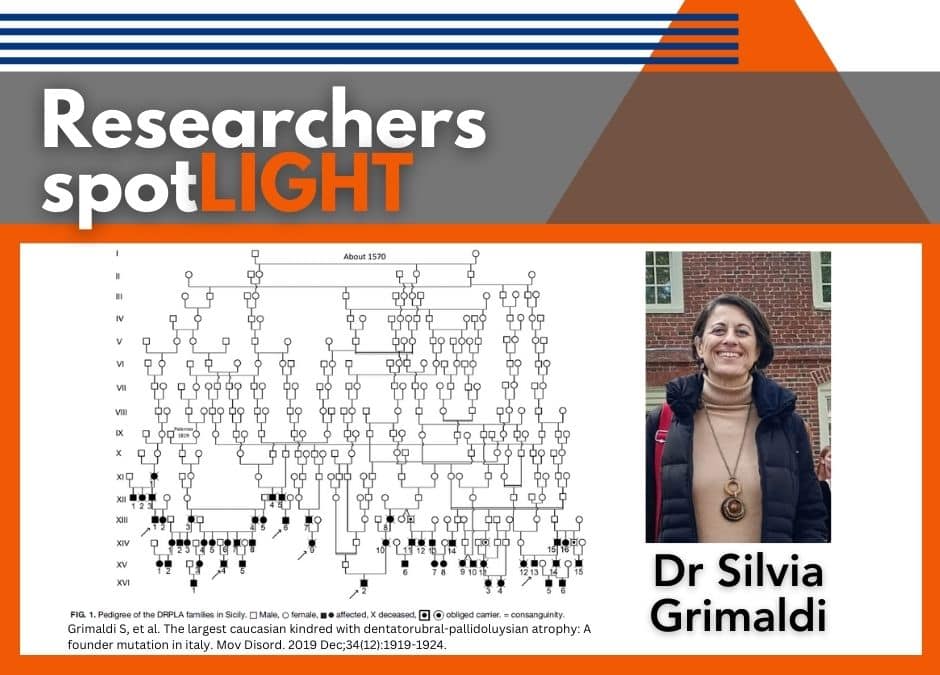
Unlocking the origins of DRPLA in Italy. The largest family tree with 51 DRPLA affected individuals dating back to the 1500s
In a study led by neurologist Silvia Grimaldi based in Trapani (Italy) and other professionals they reconstructed the largest family tree of DRPLA-affected individuals. Grimaldi and her collaborators investigated 6 apparently unrelated families with DRPLA, totaling 51...
Empowering Collaboration: CureDRPLA’s Membership with the Rare Epilepsy Network
Rare Epilepsy Network (REN) was founded in 2013 and it welcomes epilepsy organizations to come together and collaboratively improve outcomes of rare epilepsy patients and families by fostering patient-focused research and advocacy. Over the years, REN has grown into a...

What have we been up to in 2023?
Every year, we like to provide an update on our projects, offering you insights into what we are working on and what is on the horizon. On November 14th, we hosted an online event for individuals with DRPLA and their family members in which Dr. Silvia Prades gave an...
Social

CureDRPLA Global Patient Registry - CureDRPLA
curedrpla.org
The goal of the CureDRPLA Global Patient Registry is to collect information on all DRPLA patients in one registry. By collecting the information on all DRPLA patients, the CureDRPLA Global Patient Reg...CureDRPLA Global Patient Registry
The CureDRPLA Global Patient Registry aims to collect data on up to as many DRPLA patients as possible. Participants will be asked to complete a set of questionnaires after enrollment with email requests for yearly updates. Data collected include participant demographic and contact information, details about diagnosis, functional mobility status, health economics, medical history, and activities of daily living.