
What is DRPLA?
Dentatorubral-pallidoluysian atrophy, commonly known as DRPLA, is a progressive brain disorder that affects coordination, balance, speech, and causes involuntary movements, emotional problems, and a decline in thinking ability. The average age of onset of DRPLA is 30 years, but this condition can appear anytime from infancy to adulthood. The symptoms and progression vary depending on the age of onset.
What is CureDRPLA?
CureDRPLA is a US based non-profit founded by Paul and Andrea Compton. Paul and Andrea have a son that was diagnosed with DRPLA in August 2018. The mission of CureDRPLA is to connect families, physicians and scientific investigators to further DRPLA research and work towards a treatment for DRPLA. This webpage was created to find others that have this condition and are interested in finding a cure.
CureDRPLA
Global
Patient
Registry
The CureDRPLA Global Patient Registry is a worldwide registry of DRPLA patients.
This registry gathers the demographic and clinical information on DRPLA patients from across the globe. By collecting information on all DRPLA patients, the CureDRPLA Global Patient Registry will be a powerful resource for research and will enhance opportunities for treatment development.
Patient & Caregiver
Click below to find out what CureDRPLA has done and what we are currently doing to find to a treatment for DRPLA. You will also find online resources and support organizations for DRPLA as well as YouTube channels specifically focused on DRPLA.
Click below to find out what CureDRPLA has done and what we are currently doing to find a treatment for DRPLA. You will also find online resources and support organizations for DRPLA as well as YouTube channels specifically focused on DRPLA.
Patient &
Caregiver
Researcher
& Industry
CureDRPLA is investing in a number of projects in hopes of rapidly developing novel therapeutics for DRPLA. Information on funding opportunities, a list of our preclinical projects as well as other efforts can be found here.
Latest
News
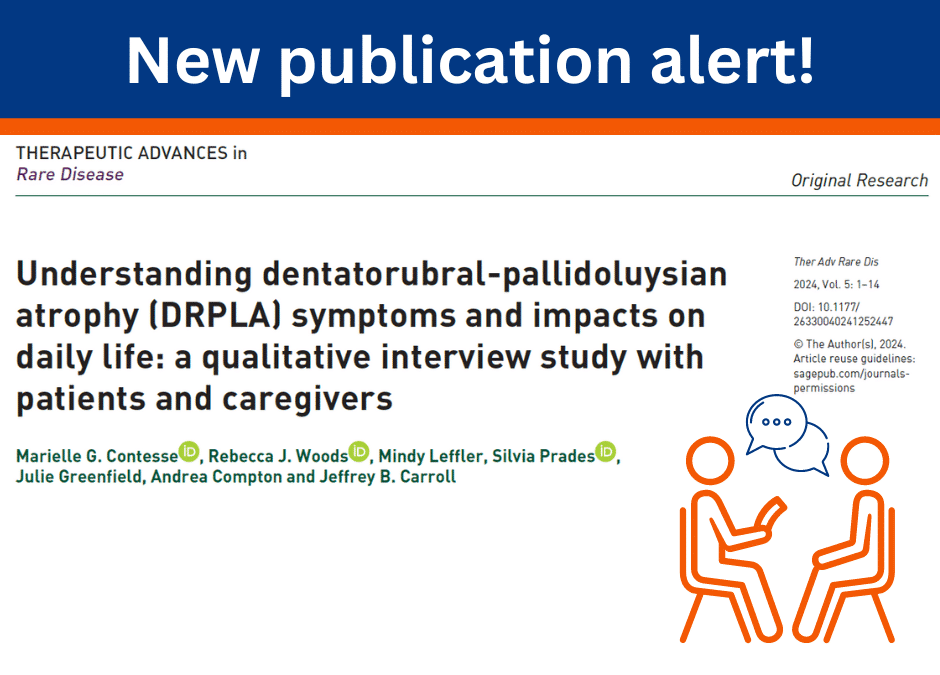
Interviews with patients and caregivers to understand DRPLA symptoms and impacts on daily life
CureDRPLA has been funding research that aims to better understand DRPLA symptoms and how this condition develops over time, such as the DRPLA Natural History and Biomarkers Study. While such research projects are essential for advancing research towards clinical...

Announcing DRPLA n-of-1 clinical trial
This announcement was initially published on our website on February 12, 2024. You can find a pdf version of the announcement here. Dear DRPLA community, Since we established CureDRPLA in 2019, our mission has been to connect families, physicians and scientific...
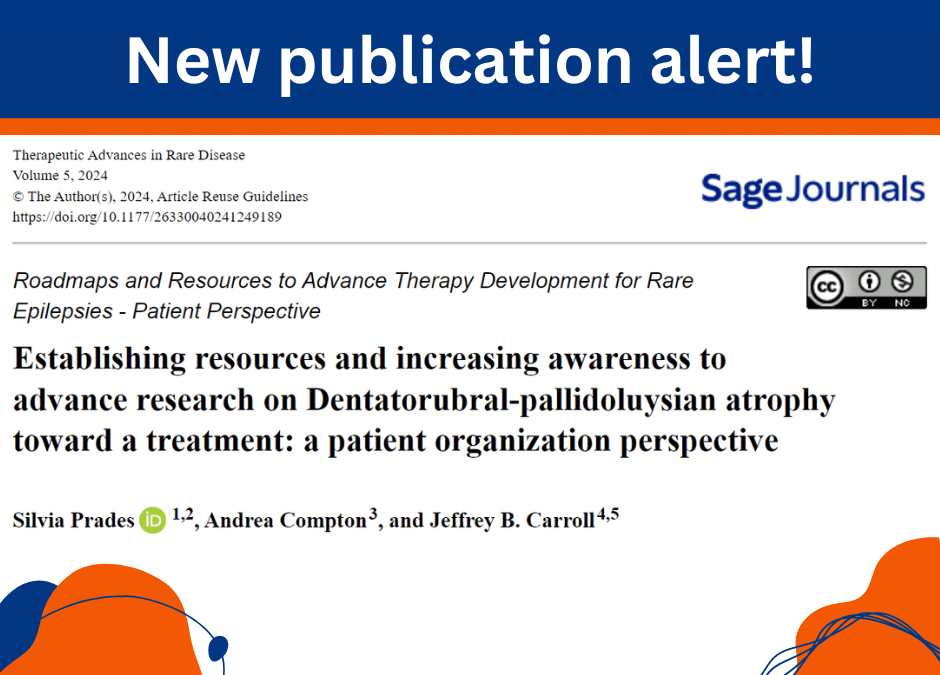
CureDRPLA has published a scientific article highlighting advances in research
We have been working with Ataxia UK and the scientific community from around the world to advance research on DRPLA. Our recent article, published in a scientific journal, highlights the strides we and our scientific community have made in understanding DRPLA and our...
Social

Oxford-Harrington Rare Disease Centre Symposium 2026 - CureDRPLA
curedrpla.org
Dr Elisa Martelletti recently attended the Oxford-Harrington Rare Disease Centre Symposium, which brought together experts from academia, industry, healthcare, and patient advocacy to discuss advances...
curedrpla.org
Advancing research in rare conditions like DRPLA is only possible when people work together. The DRPLA Natural History and Biomarkers Study (NHBS) is a great example of how researchers, clinicians, fa...
International Congress for Ataxia Research – ICAR 2026
ataxiacongress.org
International Congress for Ataxia Research 2026 Ataxias and Beyond: Shared Pathways, Shared ProgressAtlanta, GA | 10-13 November 2026 REGISTER FOR ICAR 2026 DOWNLOAD PROGRAM Register before Sept 1 for...
Josep Trueta Hospital / Santa Caterina Hospital - CureDRPLA
curedrpla.org
This DRPLA Center of Excellence was accredited to Dr Berta Alemany Perna and Dr Daniel López Domínguez from the Josep Trueta Hospital in Girona and the Santa Caterina Hospital in Salt on August 8, 2...CureDRPLA Global Patient Registry
The CureDRPLA Global Patient Registry aims to collect data on up to as many DRPLA patients as possible. Participants will be asked to complete a set of questionnaires after enrollment with email requests for yearly updates. Data collected include participant demographic and contact information, details about diagnosis, functional mobility status, health economics, medical history, and activities of daily living.